
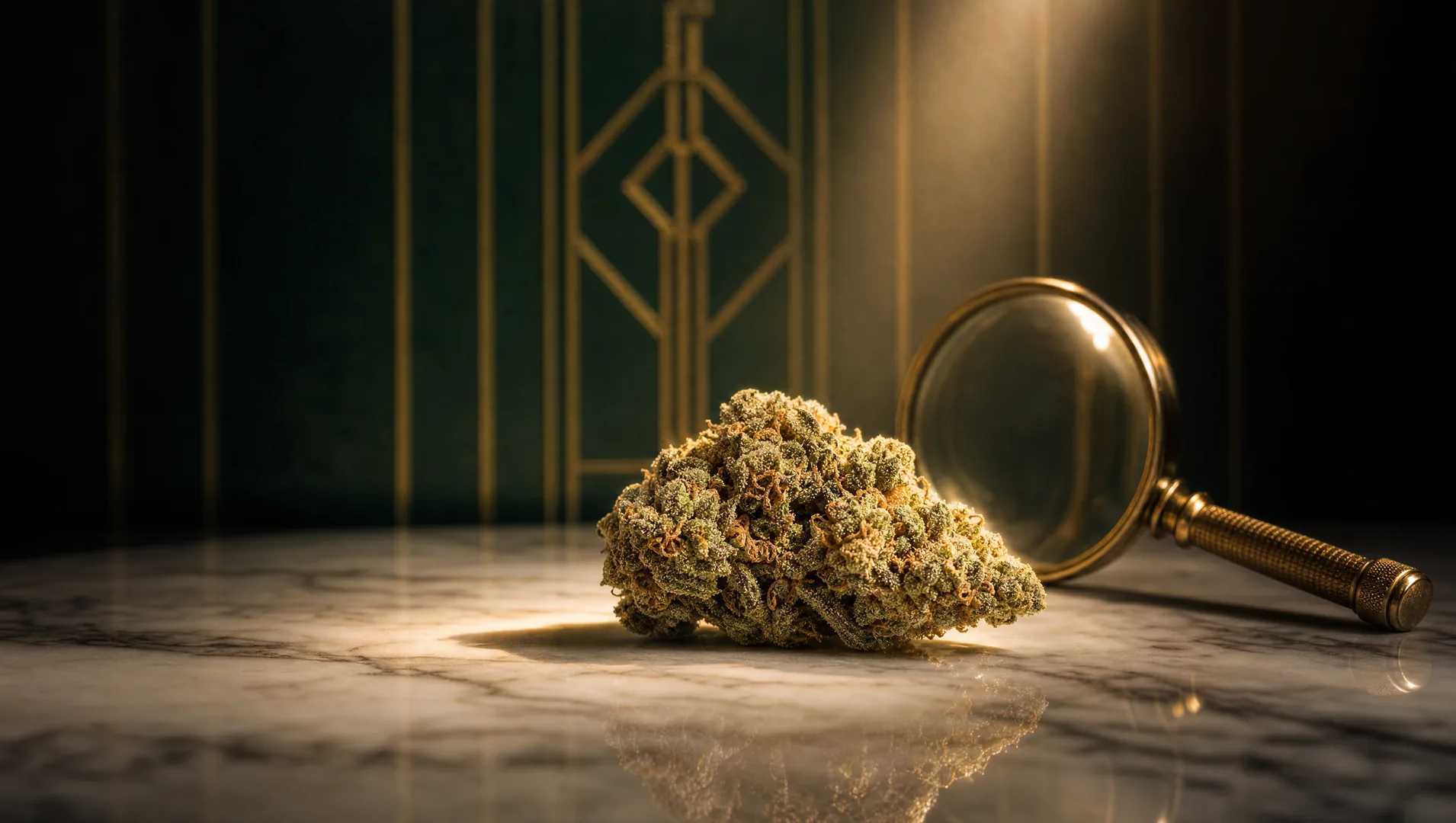
When shopping for cannabis, most customers—including both connoisseurs and newcomers—tend to focus on THC percentage, assuming that “the higher, the better.” But is that really true? The answer is more complex than it seems.
What is THC?
THC (tetrahydrocannabinol) is the main psychoactive compound in cannabis. It binds to receptors in your brain’s endocannabinoid system, producing the “high” feeling.
But just like with alcohol, more isn’t always better—and effects vary widely depending on the user and product type.
What Does THC Percentage Mean?
The THC percentage tells you how much THC is present in a cannabis flower or product by weight. For example:
• 20% THC in flower means 200mg of THC per gram of cannabis.
• In vape carts or concentrates, THC can range from 60–95%.
Why THC % Doesn’t Tell the Whole Story
1. Terpenes Matter Just as Much
Terpenes are aromatic compounds that work synergistically with THC to create unique effects—this is called the entourage effect.
For instance:
• 20% THC with high Myrcene may give a more relaxing, couch-lock effect.
• 18% THC with Limonene might feel more energetic or euphoric.
Learn about Common Terpenes and Their Effects (https://www.leafly.com/news/cannabis-101/cannabis-terpenes-and-their-effects)
2. Low THC Can Still Hit Hard
Many users report strong effects from cannabis with 14–18% THC when terpene content is rich or balanced. In contrast, a strain with 30% THC and low terpenes may feel flat.
A well-balanced 17% strain with great terpenes can produce a better high than a 33% strain that lacks aroma or depth.
3. Your Body Chemistry Affects Results
THC interacts with individual brain chemistry, tolerance, and even mood. Two people can react very differently to the same product.